

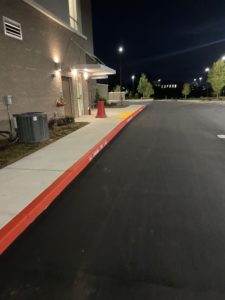
 Commercial asphalt projects in Decatur, GA, often require careful coordination to balance business operations with construction schedules. Whether you’re resurfacing the parking lot at North Decatur Square or expanding a distribution center near DeKalb Industrial Way, a well-planned multi-phase approach helps keep traffic flowing, deadlines on track, and budgets under control.
Below, we’ll walk through how to plan your project efficiently and how to ensure your pavement lasts for years to come.
Key Takeaways
- A thorough site evaluation in Decatur helps plan each asphalt phase to handle local weather and soil conditions.
- A clear project schedule and coordination with city permits keep Decatur businesses operating smoothly during paving work.
- Strong asphalt materials and good drainage design help pavement last through Decatur’s heat, rain, and traffic.
- Regular upkeep and inspections from Wildcat Striping, Sealing & Paving keep Decatur commercial pavement durable and attractive.
Conduct a Site Evaluation with Local Conditions in Mind
Every successful project starts with a detailed site evaluation. In Decatur, where summer heat and humidity often test pavement durability, assessing drainage, base stability, and existing pavement thickness is key. We typically inspect areas like parking lots near Ponce de Leon Avenue for surface fatigue, oil stains, or rutting caused by heavy delivery traffic.
This initial step allows us to design each project phase with local climate and soil conditions in mind, ensuring long-term performance and safety.
Develop a Phased Construction Schedule Around Business Operations
Timing is everything when you’re managing a business near busy areas like East Trinity Place or the Decatur Square retail corridor. That’s why we structure project phases to minimize disruptions during operating hours. For example, we might schedule milling and paving in sections, allowing customer parking or delivery routes to stay open in adjacent areas.
Careful coordination between our paving crew, your management team, and city permit offices helps everything stay on schedule while maintaining customer access.
Coordinate with Local Utility Providers and City Permits
In Decatur, many commercial properties are connected to infrastructure managed by Georgia Power, the City of Decatur Public Works Department, and DeKalb County utilities.
Before work begins, we coordinate with these agencies to identify underground lines and avoid delays caused by unplanned interruptions. This proactive communication ensures compliance with local requirements while preventing rework or costly damage to existing systems.
Select Asphalt Materials Suited for Georgia’s Climate
Asphalt composition plays a major role in project longevity. Here in Decatur, the combination of heat, rain, and occasional freeze-thaw cycles calls for durable, flexible mixes designed for high traffic volumes.
We often recommend materials that meet Georgia Department of Transportation (GDOT) standards, such as polymer-modified asphalt for better resistance to rutting and oxidation. Using the right mix helps your pavement stand up to both summer heat on Commerce Drive and heavy vehicle use in industrial zones.
Plan Drainage and Water Management Strategies
Improper drainage is one of the top causes of pavement failure in metro Atlanta. For properties in low-lying areas, like near Peavine Creek or those close to Avondale Estates, we focus on designing proper slopes and catch basin placements.
Installing efficient water management systems during the planning stage prevents puddling, cracking, and base erosion—issues that often shorten pavement life.
Establish Traffic Control and Safety Measures
Maintaining safety and access during construction is essential, especially in high-traffic areas such as Clairemont Avenue or College Avenue. Our team develops clear signage, barricade layouts, and temporary lane configurations in partnership with local traffic enforcement.
These precautions not only protect your customers and staff but also ensure the project meets City of Decatur safety regulations.
How to Ensure Long-Term Performance After Project Completion
Implement a Routine Maintenance Schedule
Once your new asphalt surface is in place, regular maintenance keeps it performing like new. In Decatur’s variable weather, we suggest scheduling sealcoating every three to five years and inspecting for cracks before each season change.
This proactive approach prevents small issues from turning into costly repairs, especially in areas with high vehicle turnover like the Decatur Crossing retail complex.
Apply Professional Sealcoating for Added Protection
Sealcoating isn’t just for looks. It protects your investment from Georgia’s sun, rain, and oil leaks. A high-quality, coal-tar-free sealer applied by professionals helps reduce oxidation and keeps the asphalt flexible.
This layer also enhances curb appeal, which matters for properties like shopping centers along Scott Boulevard or mixed-use developments near East College Avenue.
Manage Drainage Systems Year-Round
Even the best paving job can fail if water management is neglected.
After your project, it’s important to keep drains clear of debris and monitor for pooling after heavy rains. Decatur’s frequent thunderstorms can quickly overwhelm clogged drains, so regular cleaning and inspection—especially around parking lots and curbs—help prevent long-term water damage.
Address Minor Repairs Promptly
Small cracks or potholes may seem minor, but in Decatur’s humid climate, they can quickly expand. We recommend patching and crack sealing as soon as damage appears. Quick fixes save money and extend the lifespan of the pavement, particularly in high-traffic zones like around the DeKalb Farmers Market or near busy office complexes off Church Street.
Schedule Periodic Professional Inspections
A professional inspection every couple of years helps catch issues early.
Our team uses advanced infrared and thermal tools to identify subsurface problems that aren’t visible from above. This helps property managers stay ahead of costly repairs and maintain compliance with local safety and accessibility codes.
Keep Your Next Asphalt Project on Schedule and Built to Last
When it comes to commercial paving in Decatur, careful planning and ongoing maintenance make all the difference. At Wildcat Striping, Sealing & Paving, we understand the challenges of managing large-scale asphalt projects without disrupting your business. We combine local expertise, GDOT-approved materials, and precise scheduling to ensure smooth, durable results that meet your operational needs.
If you’re planning a new commercial asphalt project or need maintenance on an existing lot, let us help you streamline every phase—from planning to completion. Contact us today to schedule a consultation and get a detailed project plan tailored to your property’s unique needs.
Frequently Asked Questions
How long does a multi-phase commercial asphalt project usually take in Decatur?
Most multi-phase commercial asphalt projects in Decatur take between two and four weeks, depending on site size, weather conditions, and traffic flow management, ensuring businesses can operate smoothly throughout construction without major disruptions.
Can asphalt paving be done during colder months in Decatur?
Yes, paving can be completed in cooler months when temperatures stay above 50°F. We adjust material mixes, compaction timing, and curing processes to maintain durability and consistent results during Decatur’s mild winter conditions.
What factors influence the cost of a commercial asphalt project in Decatur?
Project cost depends on area size, asphalt thickness, base condition, and site accessibility. We provide detailed estimates after on-site evaluations to ensure accurate pricing and transparent recommendations tailored to your property’s needs.
How do you manage parking access for businesses during large paving projects?
We design phased plans that divide lots into sections, use clear signage, and work during off-hours when possible, keeping employee and customer access available throughout the paving or resurfacing process.
